The department was founded in 2013 and is the successor of the Department of Soil Monitoring and Biology, which was created in the early 90s as a result of optimizing the structure of the Institute of Soil Science and existed until 2008, and the Department of Soil Fertility Monitoring, which was created in 2008 by merging the Departments of Soil Monitoring and Biology, Modeling of soil processes, sectors of soil reclamation and organic matter and organoelement macromolecular compounds.
The Department of Soil Fertility and Biology consists of 9 staff members: 1 Doctor of Biological Sciences, 1 Candidate of Agricultural Sciences (Associate Professor), 1 PhD, 2 PhD doctoral students, 1 Master's degree holder, 1 Senior Microbiologist Engineer, 1 Microbiologist Engineer, and 1 Laboratory Assistant.
Head of Department
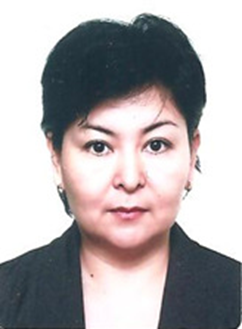
 | Altynai Izteleuovna Suleimenova – Master of Agricultural Sciences. She received her Bachelor's degree in Soil Science and Agrochemistry in 2004–2008 and her Master's degree in the same specialty in 2014–2016. She has been working at the institute since 2008 and has served as Head of the Department of Soil Fertility and Biology since 2023. She is the author and co-author of 35 scientific articles, including one indexed in Scopus. She has 17 years of professional experience at the institute. |
Chief Research Scientists
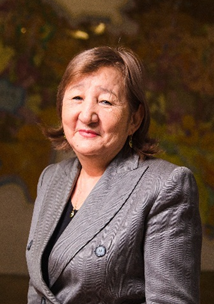
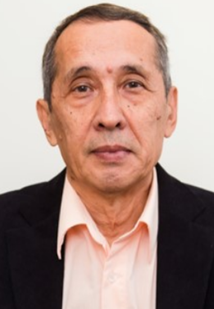
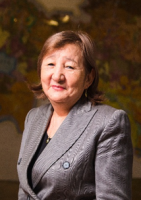 | Maria Amenovna Ibraeva – Candidate of Agricultural Sciences, Associate Professor. She served as Head of the Department from 2013 to 2022 and has been working at the institute since 1976. She has received several honors, including the Honorary Certificate of the Ministry of Agriculture (2010), the "Veteran of Labor" Medal (2018), the "25 Years of the Constitution of the Republic of Kazakhstan" Medal (2020), and the "Excellence in Agriculture" Badge (2021). She is the author of over 156 publications, including 24 in international journals. She has participated in numerous international scientific conferences in Kazakhstan and abroad. She has authored 8 recommendations, 4 certificates of authorship, 2 innovation patents, 1 monograph, and co-authored 3 monographs. Her h-index is 3. She serves as Executive Secretary of the journal Soil Science and Agrochemistry. |
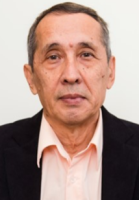 | Askar Abylaikhanovich Kurmanbaev – Doctor of Biological Sciences. He graduated from the Faculty of Biology of Kazakh State University named after S.M. Kirov in 1980. He has participated in international research projects. His scientific interests include soil health, biotesting, soil microbiome, and biological activity. He is the author of over 234 scientific articles, 27 innovation patents, 1 monograph, 1 textbook, and 2 standard educational programs. In recent years, he has led 14 scientific projects and programs and has supervised 4 Candidates of Sciences and 2 PhD graduates. |
Leading Research Scientist
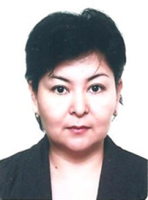 | Rakhilya Aipova – PhD in the specialty "6D060700 – Biology." She is the author of over 40 scientific papers and 7 patents. Her work has been published in high-ranking international journals such as Natural Sciences, Biodiversitas, the Journal of Biotechnology, and journals of the American Society for Microbiology. Her research results have been presented at regional and international conferences in Russia, the UAE, Spain, and Belgium. |
Junior Research Scientists
 | Ayan Kumisbekuly Abai – PhD doctoral student. He earned his Bachelor's degree in Soil Science and Agrochemistry in 2018 from Kazakh National Agrarian University. That same year, he began his research career at the U.U. Uspanov Kazakh Research Institute of Soil Science and Agrochemistry as an analytical engineer. In 2024, he was admitted to the PhD program in Soil Science and Agrochemistry at the Kazakh National Agrarian Research University. His current research focuses on improving soil fertility and the development of related methods. He is the co-author of 10 scientific articles, including 1 indexed in Scopus. |
 | Zhaniya Pernebekyzy Bimurza – PhD doctoral student. She received her Bachelor's degree in Soil Science and Agrochemistry from M. Auezov South Kazakhstan State University (2016–2020) and her Master's degree from the Kazakh National Agrarian Research University (2020–2022). She is currently a first-year PhD student at the same university (2023–2027). She is the author of 7 scientific publications. |
Senior Microbiologist Engineer
 | Shugyla Galymzhankyzy Yermek – Senior Microbiologist Engineer. She began her professional career at the institute in 2023. She earned her Bachelor's degree in Biotechnology from Al-Farabi Kazakh National University (2019–2023) and is currently a second-year Master's student in Microbiology |
Microbiologist Engineer
 | Amanbolsyn Alina Kuanyshkyzy – Microbiologist Engineer. Graduated with honors in 2024 from Al-Farabi Kazakh National University with a degree in Biotechnology. He has been working at the institute since 2024 and is a second-year Master's student in Biotechnology at the same university.
|
Laboratory Assistant
 | SanatbekAruzhan Azamatkyzy – Master of Biological Sciences. She earned her Bachelor's degree in Biology from Al-Farabi Kazakh National University (2018–2022) and completed her Master's degree at Abai Kazakh National Pedagogical University in 2025. She is the author of 4 scientific articles. |
Main research areas - development of scientific foundations and patterns of soil fertility formation in terms of anthropogenesis, research and assessment of the current state of main parameters of soil fertility, including issues of their monitoring;
- study of soil processes and regimes aimed to develop methods of preserving and increasing soil fertility;
- study of transformation of organic matter of irrigated reclaimed soils aimed to develop scientific foundations and practical methods of fertility reproduction;
- scientific justification for the selection and optimization of various reclamation practices on irrigated soils in the Republic of Kazakhstan, including their ecological and economic evaluation;
- organic farming;
- study of the effects of bioremediation agents and organic fertilizers on soil processes and indicators of irrigated soil health;
- biological methods of soil fertility management;
- development of approaches to stimulate agronomically valuable soil bacteria in order to enhance the productivity of agricultural soils;
- investigation of fundamental issues in the ecology of soil microorganisms and identification of the most informative indicators of soil health in relation to soil productivity.
Completed Scientific Projects of the Department
2012–2014 (Program-Targeted Funding
)Priority area: Enhancing the genetic potential of agricultural crop productivity and improving agrotechnologies for various agroecological zones of the Republic of Kazakhstan.
Project 3: Increasing the productivity potential of rice and crops in rice crop rotations through the development of high-yielding, competitive varieties and the creation of new resource-saving rice-growing technologies.
Subproject 3.1: Development of organic farming systems for rice crop rotations in the Akdala irrigation massif in southeastern Kazakhstan.
2015–2017 (Program-Targeted Funding
)Development of a technology to improve the fertility of saline-alkaline soils and rice yield in irrigated areas of Almaty and Kyzylorda regions.
Targeted scientific and technical program: Preservation and reproduction of soil fertility in Kazakhstan.
Science development priority: Rational use of natural resources, raw material processing and production.
Priority area: Preservation and reproduction of soil fertility.
2018–2020 (Program-Targeted Funding
) Problems of irrigated saline soils in the Turkestan region and their solution based on the application of innovative technologies to improve soil fertility and crop productivity.2021–2023 (Program-Targeted Funding
) Task 1 under the program
Scientific and technological support for the preservation and restoration of the fertility of agricultural lands.Project title: Development of measures to preserve and enhance soil fertility, land reclamation methods for degraded lands, and rational use of agricultural lands.
2024–2026 (Program-Targeted Funding
) Ensuring the rational use of agricultural lands under intensive farming based on new approaches to the preservation and reproduction of soil fertility.Task 4: Determine the biological potential of soils in the agrocenoses of the studied region and develop methods for stabilizing the humus status of soils.
Services provided by the department- provision of methodological and advisory assistance on development of rational scientifically based crop rotations, determination of soil fertility, biological activity and its humus state, energy-saving methods and soil tillage systems, recommendations on organic farming and use of fertilizers (with calculation of fertilizer doses according to the cartogram of nutrient concentration in soil).
Main achievementsIt is known that relevant and primary objective of soil science is development of basic theoretical principles and practical methods of soil fertility management, soil ecological and soil surface state.
The department staff conducted a large amount of researches on genesis theory development, evolution and classification of rainfed soils, study of physical and chemical processes in zonal soils that affect the fertility level and soil resources, identification of ecological and geographical distribution of microorganisms, seasonal dynamics of microbiological processes, determination of main soil parameters for farming system development and soil rational use in agricultural production, study of geographic and genetic features of main soil types, development of soil taxonomy and diagnostics of different fertility levels.
The research works conducted according to the priority areas of the department are integrated into the following main areas:
Area 1 Scientific bases for reproduction of soil fertility and protection in the conditions of anthropogenesis
Development of theoretical foundations for application of nano-agro-reclamation methods for increasing fertility of degraded soils (supervisor, Dr. Biol. Sc., professor Mamutov Zh.U.);
Improvement of the basics of soil fertility management in minimal, no-till and traditional tillage of black soils in Northern Kazakhstan (supervisor Dr. Bio.Sc. Djalankuzov T.D.);
Bioconversion of organic wastes of agricultural production and production of biomineral fertilizers (supervisor, Dr. Ag.Sc., Kan V.M.);
Development of techniques for purposeful soil fertility management and crop productivity (supervisor, Cand. Bio.Sc., Mamonov A.G.);
Area 2 Scientific bases for resistance of irrigated soils to adverse environmental factors and their rational use
Study migration of organic substances in periodically flooded soils and develop scientific bases for stabilizing their humus state (supervisor, Cand. Ag. Sc., Ibrayeva M.A.);
Study the current soil and reclamation state of the Shieli massif and develop scientific bases for reclamation of secondary saline “waste” lands” (supervisor, Cand. Bio.Sc., Otarov A.);
Study the current ecological state of irrigated soils and development of scientific bases for improvement of their ecological state (supervisor, Cand. Bio.Sc., Otarov A.);
Evaluation of the current soil-ecological state of rice agrocenoses, and development of scientific foundations for environmentally friendly crop production technology (supervisor, Cand. Bio.Sc. Otarov A.);
Key Research Results
As a result of the department’s research activities, the following outcomes have been achieved:
- The processes of dehumification (humus loss) of Chernozem soils in Northern Kazakhstan were identified. These processes led to an average one-third reduction in humus content, deterioration of soil physical condition (including structure, aggregation, porosity, and water-physical properties), and changes in agrochemical characteristics. Measures for soil fertility restoration and protection were determined.
- A classification of cultivated Chernozem soils in Northern Kazakhstan was developed, forming the basis for a systematic list of soils required for large-scale soil mapping and cadastral work. Experiments were conducted on the dynamics of productive soil moisture under various tillage systems with fertilizer application. The transformation of organic matter, nitrogen, and phosphorus in soils under different farming systems was studied to justify specific agrotechnical practices for grain crops.
- The impact of agricultural machinery on soils was investigated. Repeated passes of heavy machinery caused compaction of both arable and sub-arable soil layers, significantly degrading agro-physical properties and reducing plant-available moisture. It was found that a single pass of heavy tractors reduced spring wheat yield by 20%, while three passes reduced yield by 34%, five by 46%, and ten by 58%. In contrast, lighter tractors (such as Belarus and DT-75 models) had minimal impact on soil structure.
- In the study of biological fertility factors of Chernozem soils, the species and group composition of nematodes and their population densities were determined for the first time in relation to agrotechnical practices. For example, manure application at 30 t/ha increased nematode populations by 2.7 times compared to the control. The increase was most notable in species involved in the decomposition of soil organic matter. It was also established that continuous cereal cropping reduced nematode biodiversity while increasing the abundance of parasitic species hazardous to plants and humans.
- The dynamics of ammonium nitrogen and accumulation of nitrate nitrogen in Chernozem agrocenoses were studied. Nitrate accumulation and leaching into deeper soil layers were found to pose geochemical risks, including contamination of water resources and other environmental components.
- Statistical, optimal, and morphological parameters of major zonal and intrazonal soils in Northern Kazakhstan were calculated, revealing trends in their long-term transformation. These data provide an objective assessment of the current state of soils and enable their qualitative evaluation.
- In periodically flooded (rice-growing) soils of the Akdala irrigation massif, humus degradation was identified, characterized by increased humus solubility. Seasonal humus losses ranged from 12% to 36%.
- A humus condition map of the Bakbaktinsky section of the Akdala irrigation massif was compiled. Work was carried out on the application of domestic soil conditioners Green-Eco and Sodium Humate, demonstrating that organic farming practices can help farmers improve soil fertility and produce environmentally friendly agricultural products.
- A study of bioindicators of the ecological condition of the soil-plant cover in southern Kazakhstan was conducted. The results showed a positive influence of new cultivation technologies on cotton development in South Kazakhstan Region.
- A biological method for desalinization of saline soils using Glycyrrhiza glabra (licorice) was evaluated under varying levels of salinity. In secondary saline soils, licorice reduced soil salinity by one to two grades, enabling the reclamation of previously abandoned lands. Additionally, yields of up to 8 tons per hectare of licorice forage and roots, which are in high demand in the pharmaceutical industry, were recorded.
- The issues of irrigated saline soils in the Turkestan Region were studied, and innovative technologies for improving soil fertility and increasing maize yields were implemented.
- Recommendations were developed for farmers on biological and chemical reclamation of saline irrigated soils in Almaty, Turkestan, and Kyzylorda regions.
- Scientific research was conducted through regional long-term field trials in southeastern Kazakhstan to evaluate the effect of humic biopreparations on arable soil fertility and crop productivity. It was found that seed treatment before sowing with the organic humic fertilizers Tumat and Bioecohum, along with soil application and foliar feeding, had a positive effect on plant growth and development and increased the yields of grain, leguminous, and industrial crops.
As a result of long-term research
, department staff have published over 200 scientific papers, obtained 2 innovation patents and 4 certificates of authorship.International Scientific Collaboration
- Collaboration with the Russian State Agrarian University – Moscow Timiryazev Agricultural Academy, the V.V. Dokuchaev Soil Science Institute (Russia), and the University of Warsaw (Poland).
- A joint scientific research project on drip irrigation of rice crops was carried out in cooperation with the People's Republic of China.
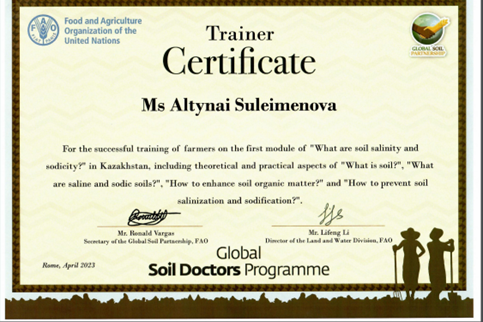
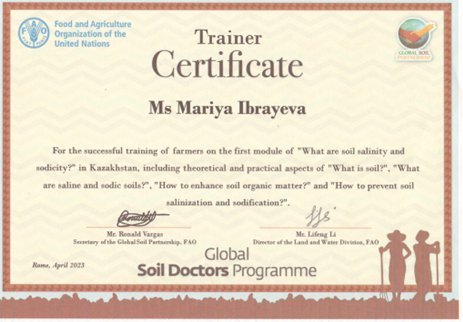
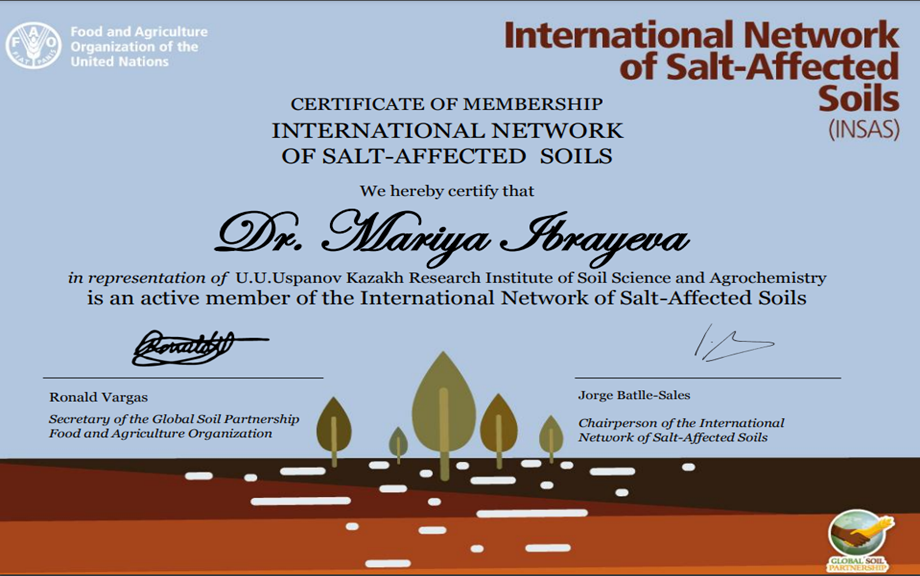
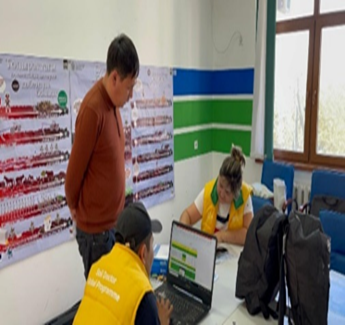
- Participation in the “Soil Doctors” Program implemented by the Food and Agriculture Organization (FAO) under the Global Soil Partnership (GSP). Staff members have received official certificates of completion.
- Participation in the FAO/GEF project “Integrated Natural Resource Management in Degraded Landscapes in Central Asia and Turkey” (CACILM-2 / INRMD-CACILM-2).
FAO certificates were awarded to staff for successful completion of the
“Soil Doctors” Program, implemented as part of the
Global Soil Partnership (GSP) initiative.
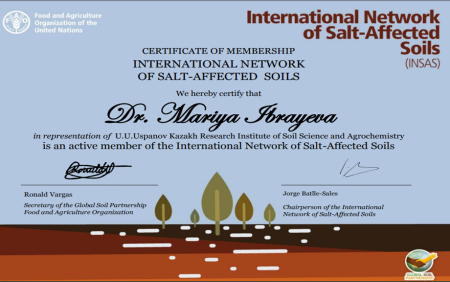
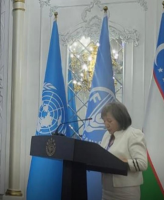
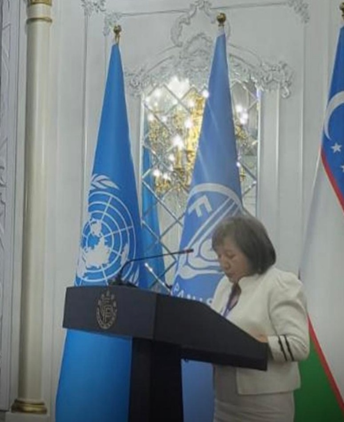
Second Meeting of the International Network on Salt-Affected Soils (INSAS) and International Workshop: "Harnessing Salt-Affected Soils for a Sustainable Future"
May 22–26, 2023, Tashkent/Nukus, Uzbekistan.
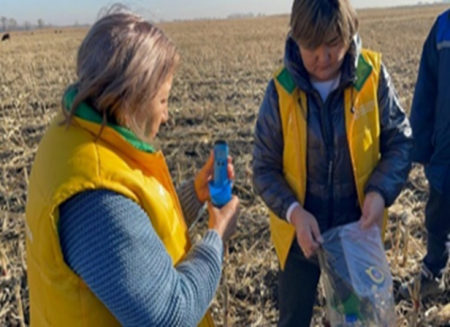
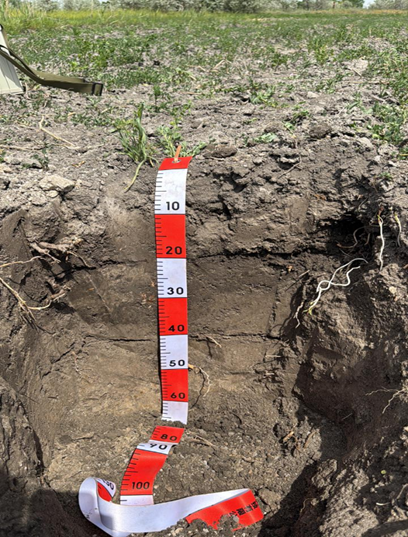
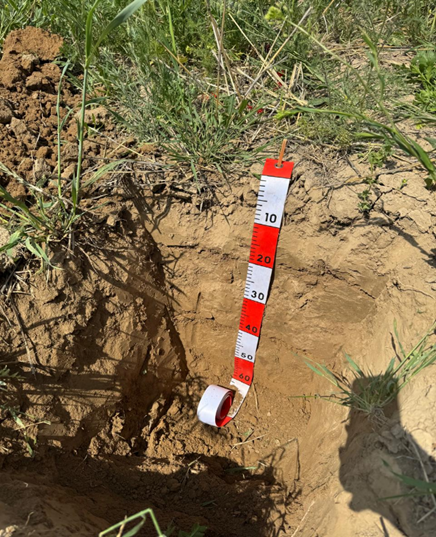
2024–2026 | Task 4 of the Program-Targeted Funding (PTF)
“Ensuring the Rational Use of Agricultural Lands under Intensive Farming through New Approaches to the Preservation and Reproduction of Soil Fertility”
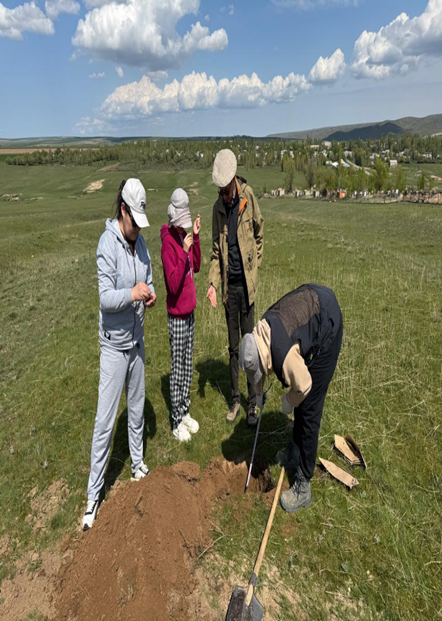
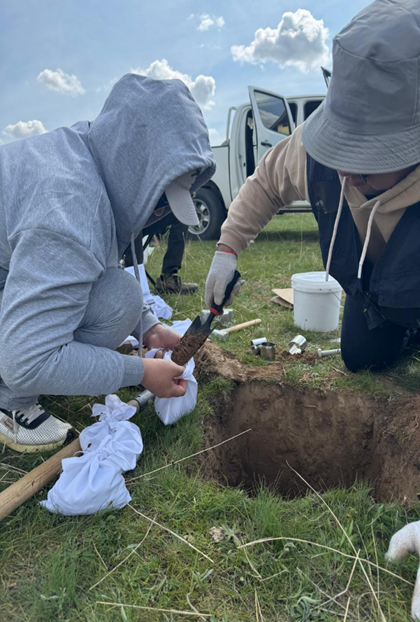
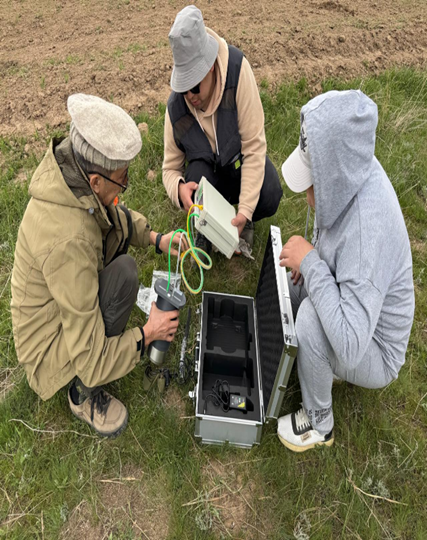
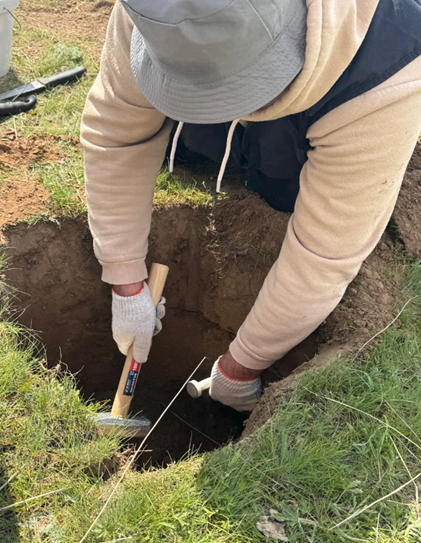
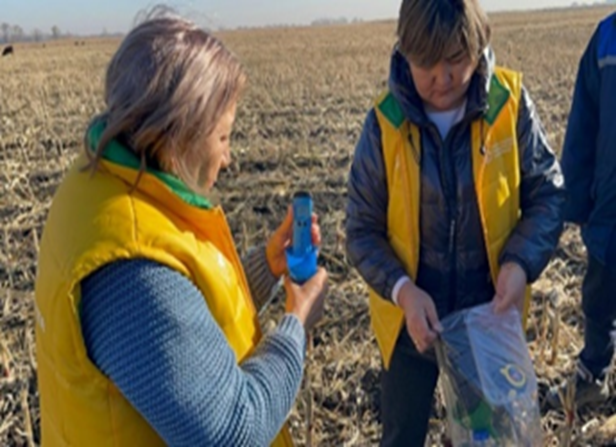
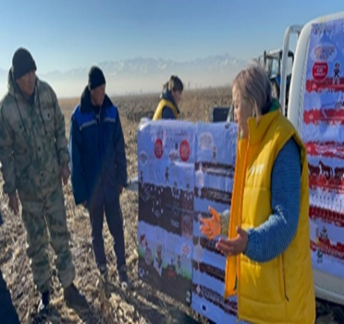
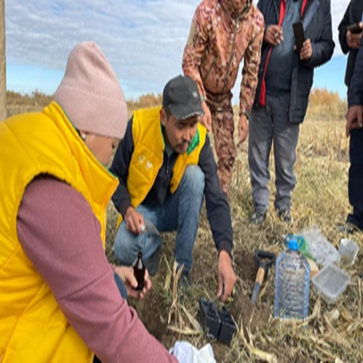
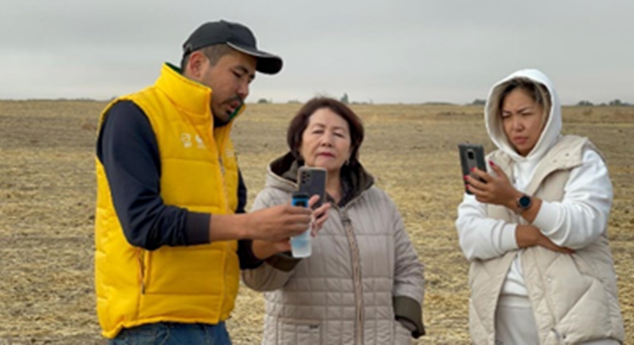
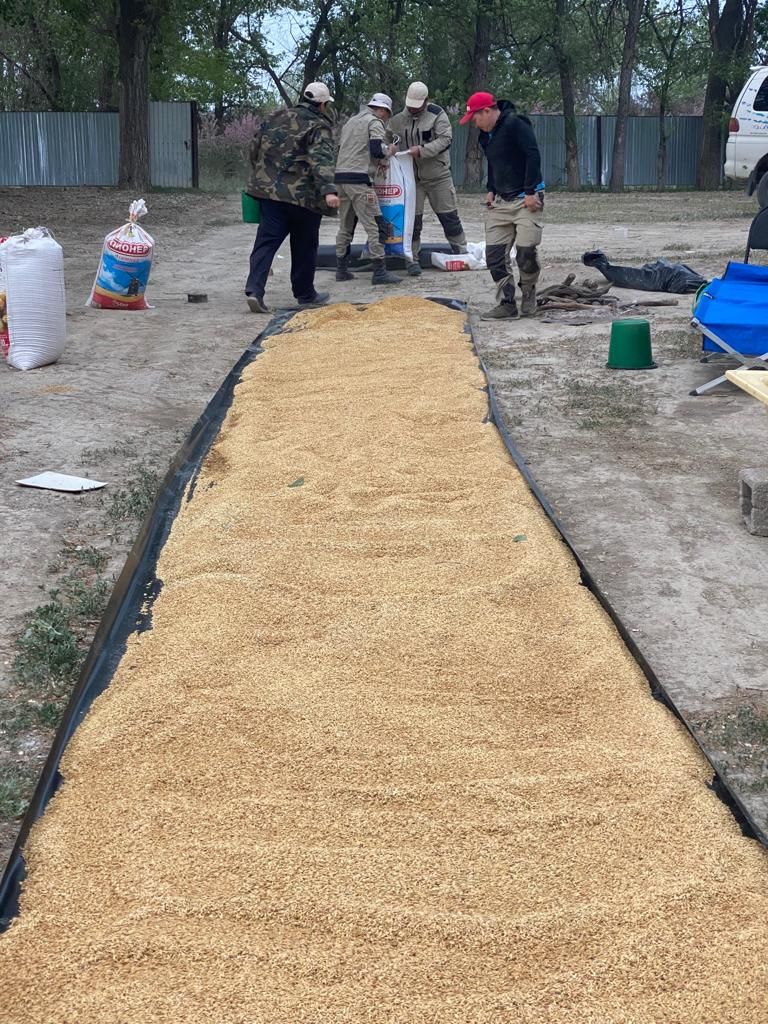
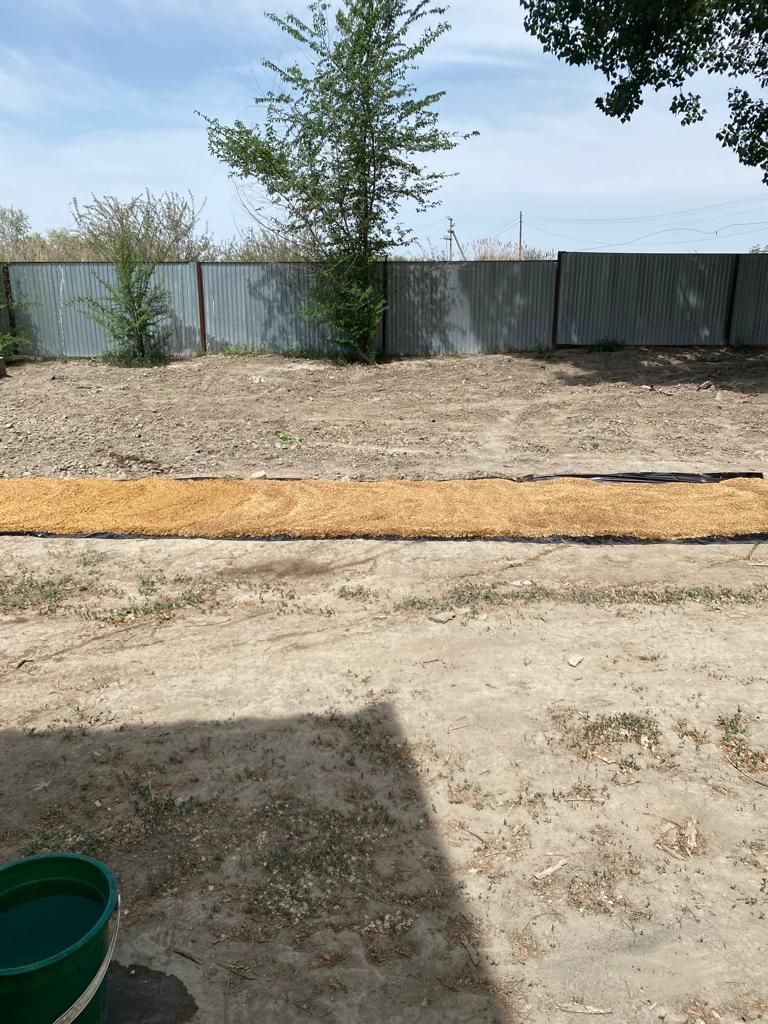
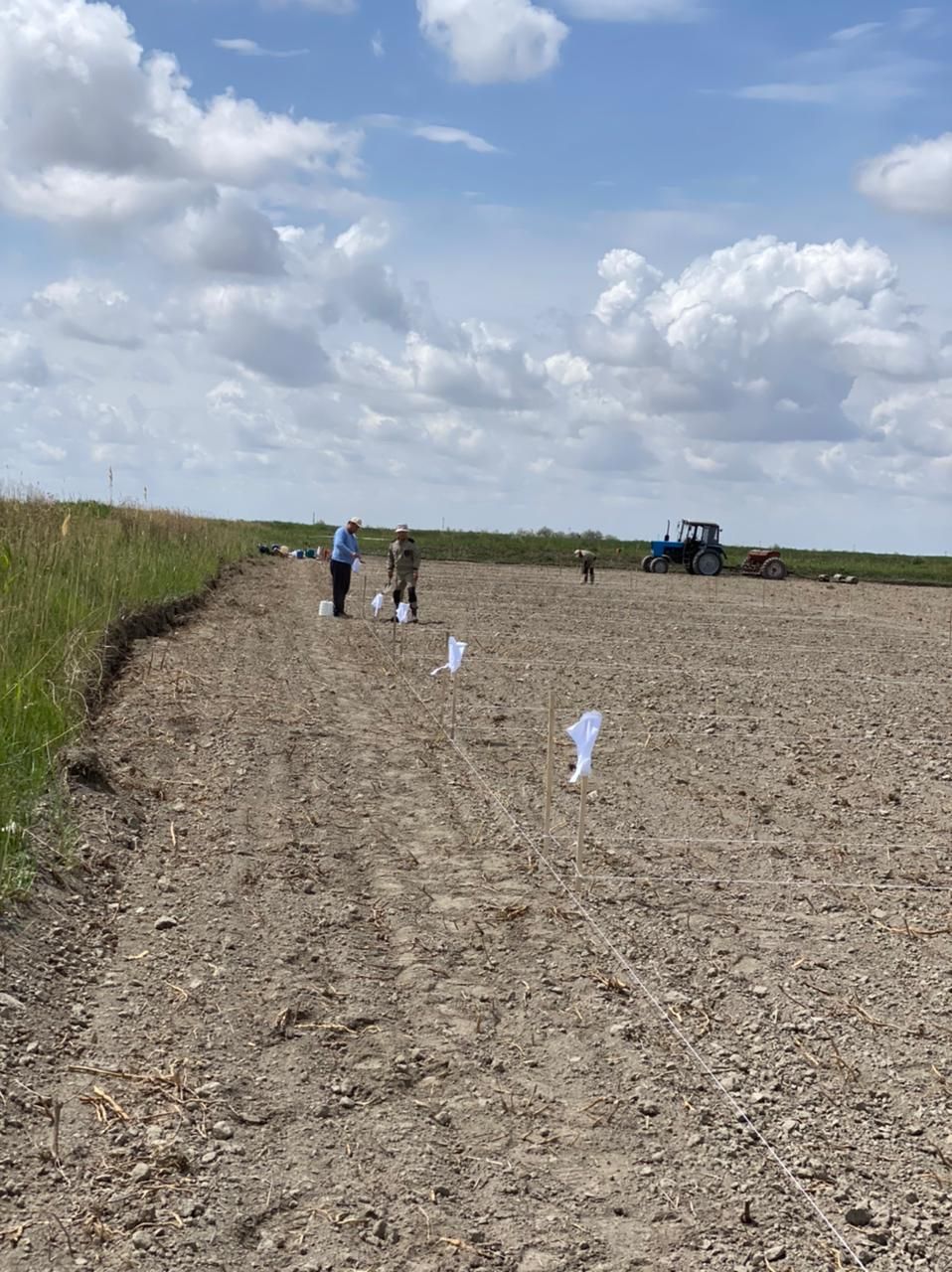
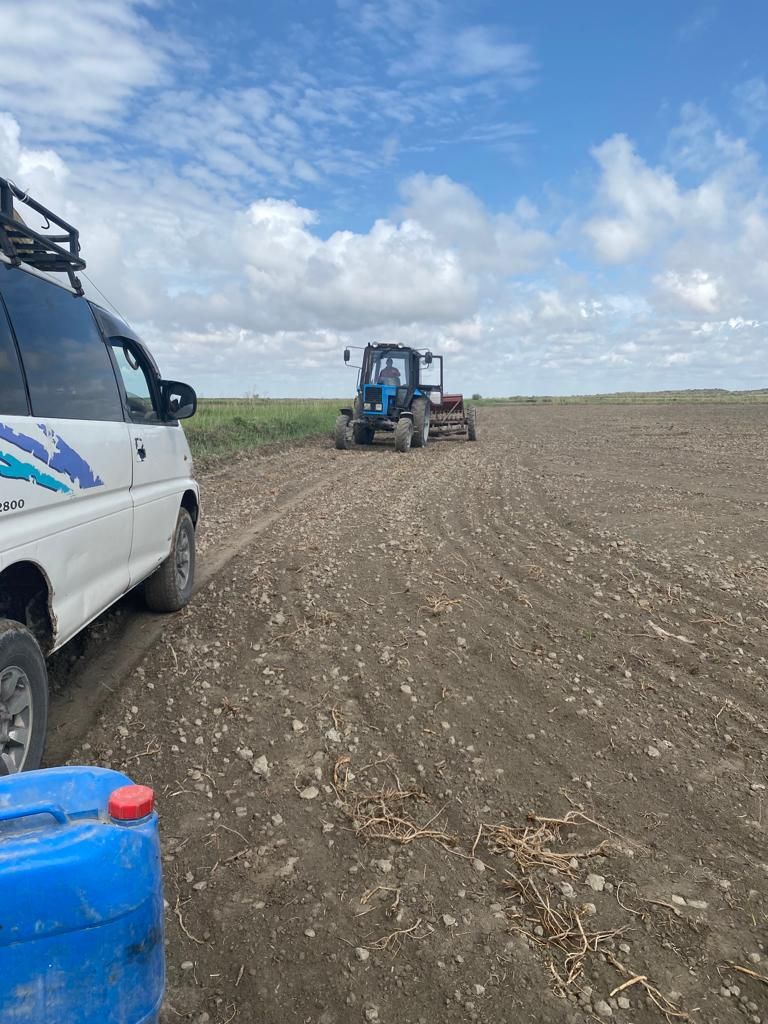
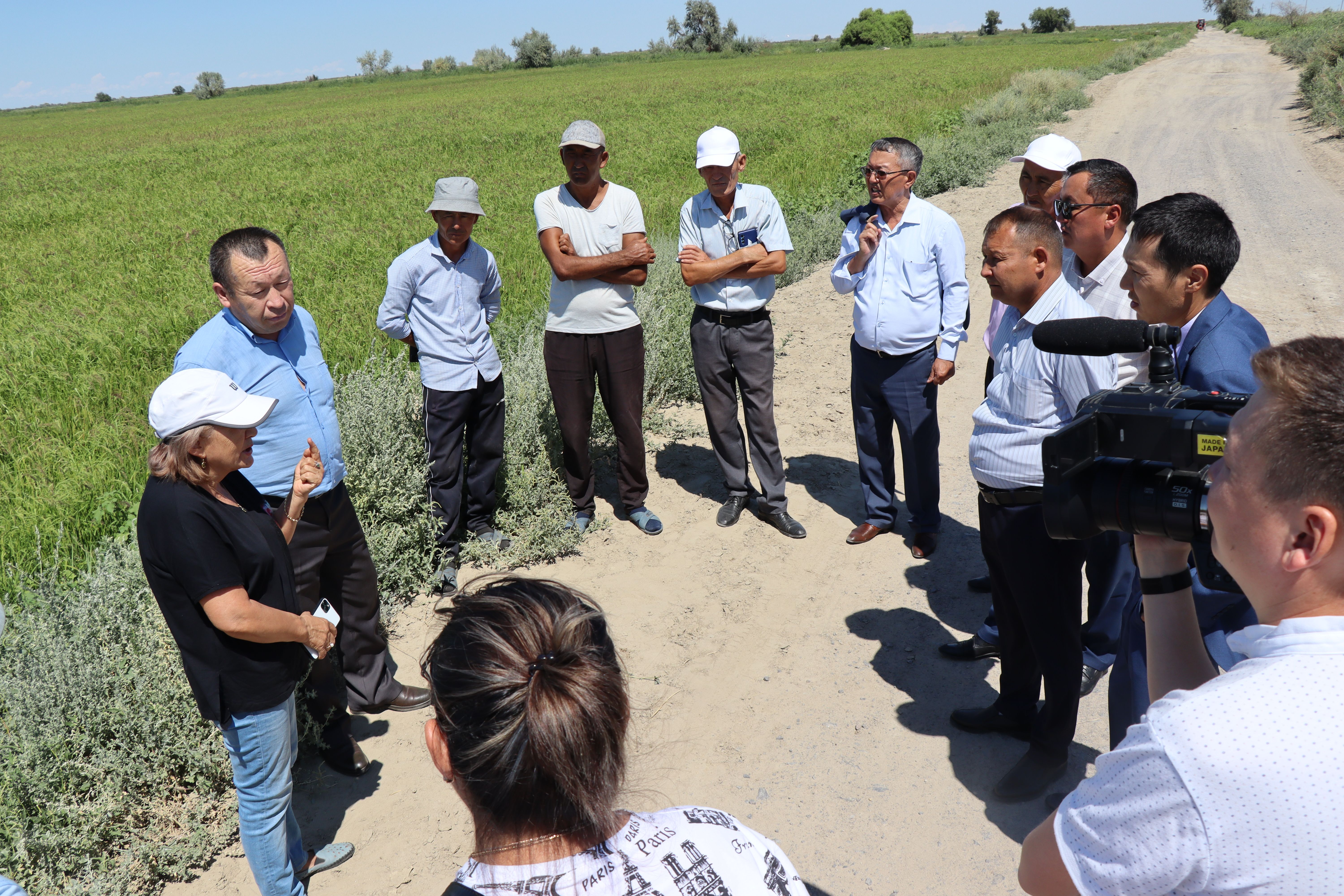
Field-based scientific research is being conducted in Zhambyl Region under the section “Soil Fertility and Biology”, specifically focusing on:
“Assessing the biological potential of soils in the agrocenoses of the studied region and developing methods for stabilizing the humus status of soils.”








 Phone:
+7 (727) 269-47-33
Phone:
+7 (727) 269-47-33
 Email: soilkz@mail.ru
 Work schedule:
8.00 - 16.30
Work schedule:
8.00 - 16.30
 RU
RU KZ
KZ EN
EN

